Electromagnetic Interference (EMI) Monitoring

Find the Hidden Signals of Failure

Shield Your Operations from Downtime with EMI Monitoring

Request a Demo

Electromagnetic Interference (EMI) Monitoring

EMI monitoring detects high-frequency emissions produced by electrical activity such as arcing, corona, discharge, or partial discharge in machines and power systems. By capturing and analyzing these transient signals, EMI provides an early warning of insulation degradation, loose connections, and other electrical faults that traditional vibration or thermal methods may miss. It’s a fast, non-contact, highly sensitive technique that helps identify developing issues long before visible or thermal symptoms appear.
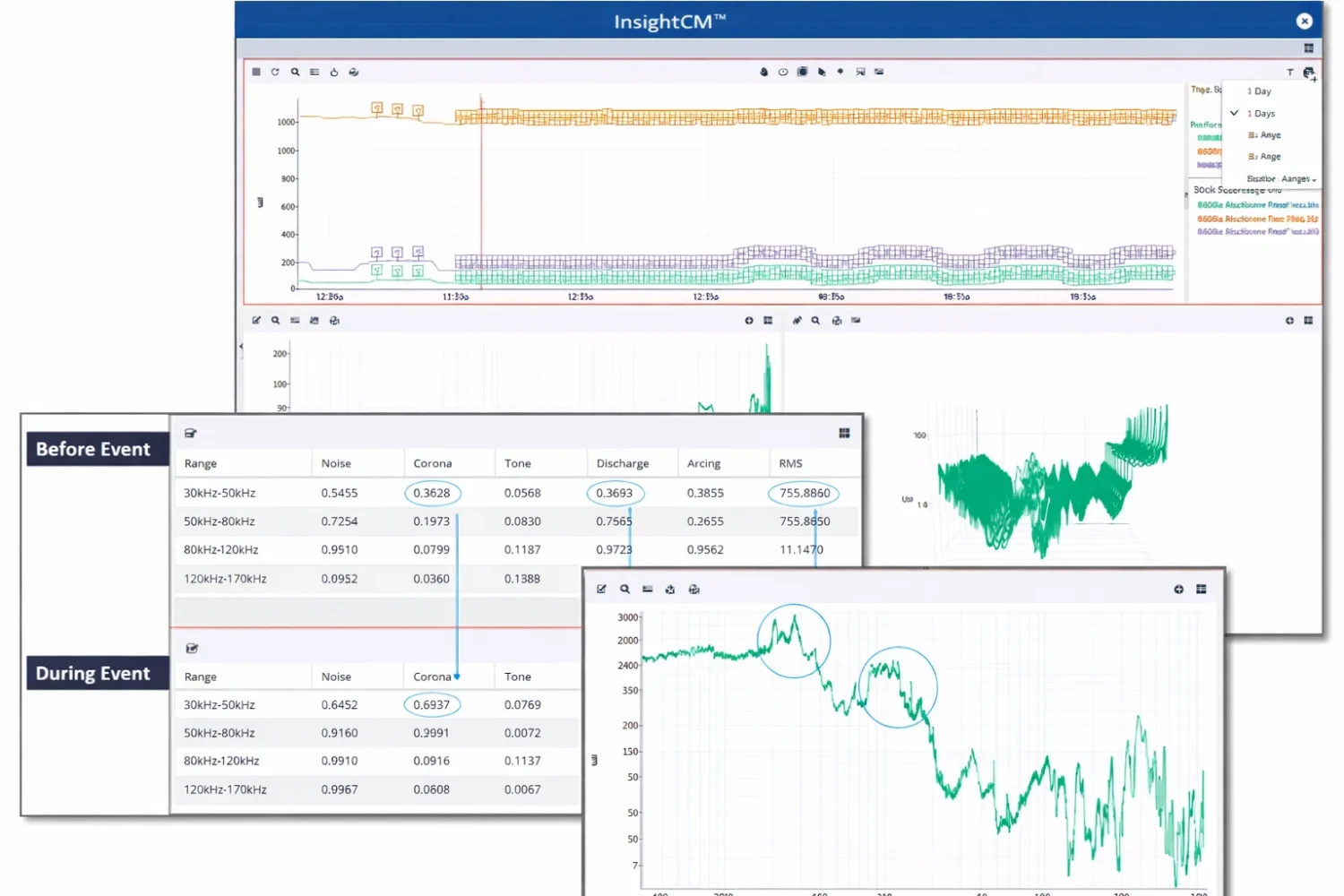
Failure Modes Detected

  • Partial discharge
  • Arcing
  • Sparking
  • Insulation breakdown
  • Coronal discharge
  • Brush or commutator arcing
  • Electrical noise
  • And more…

Customer Testimonials

“The shaft grounding systems are working very well right now. Thanks for the smooth installation and the support. Cutsforth is excellent and you have a very good reputation here.”

J.W.
Senior Engineer
SE Power Plant

“We have nothing but great things to say about the Cutsforth brush systems here. Low costs, easy to maintain and no issues whatsoever.”

P.B.
Maintenance Superintendent
Midwest Power Plant

"I used to spend about 50–70% of my time traveling to analyze issues. Now, with InsightCM, that's down to about 20%. It's also valuable to us and our customers to not have to wait 4–5 hours to start a 500MW unit. Everybody wins."

C.R.
Vibration Analyst
Midwest Power Plant

InsightCM™: Your Early Warning System for Electrical Health

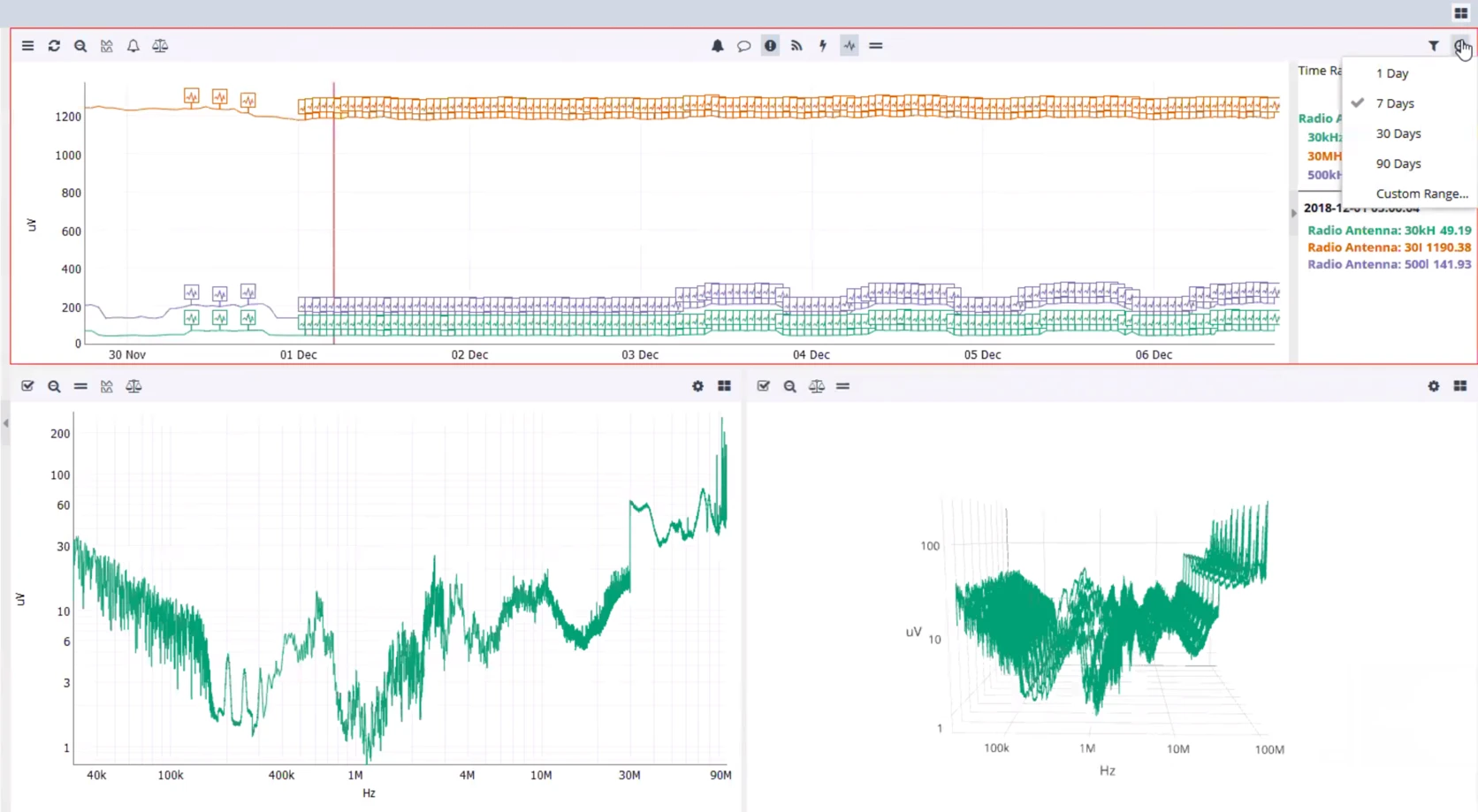
InsightCM continuously captures and analyzes EMI waveforms to detect high-frequency anomalies that signal early-stage electrical faults, correlating them with vibration, temperature, and other sensor data for faster, more accurate root cause diagnosis.

  • Multiple Frequency Bands
  • Correlation Table
  • Waterfall Plots
  • Calculated Features:
  • Partial Discharge
  • Arcing
  • Corona
  • Sparking
  • And more…

System Capabilities

Overview:

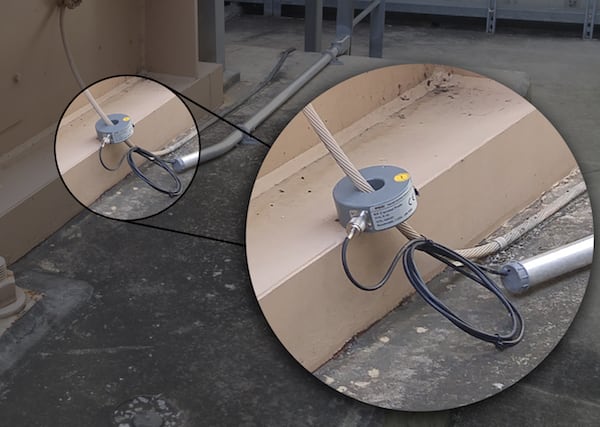
  • System installs easily with no outage or intrusive probes required
  • Current transducers are installed around key connection points within the assets
  • EMI signals are analyzed within different frequency bands to identify failure modes using proprietary correlation algorithms.

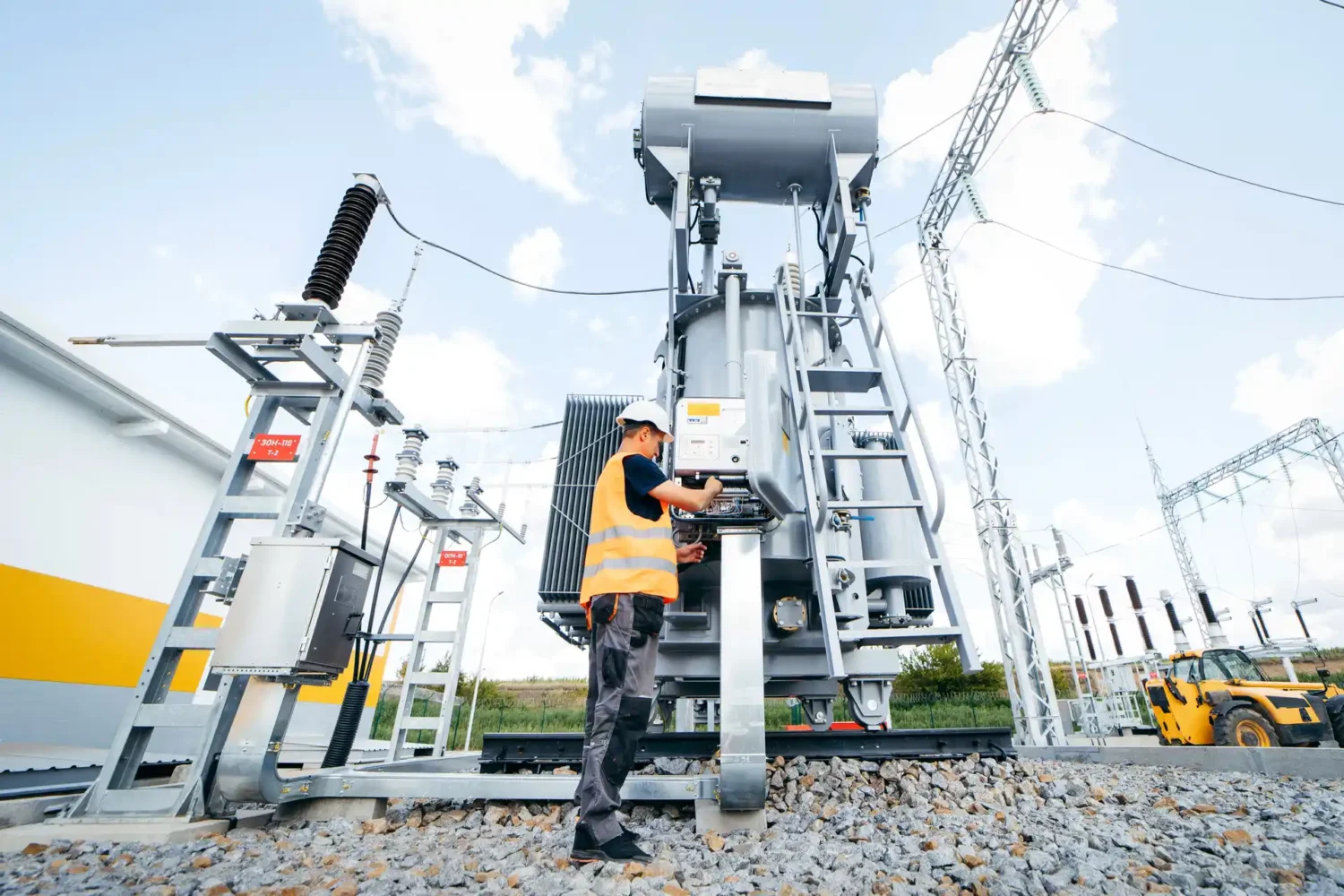
Generator and Transformer Monitoring:

  • Scans five RF bands for generator diagnostics, with user-expandable options
  • Generator bands cover exciter/collector, stator core, end windings, and isophase bus
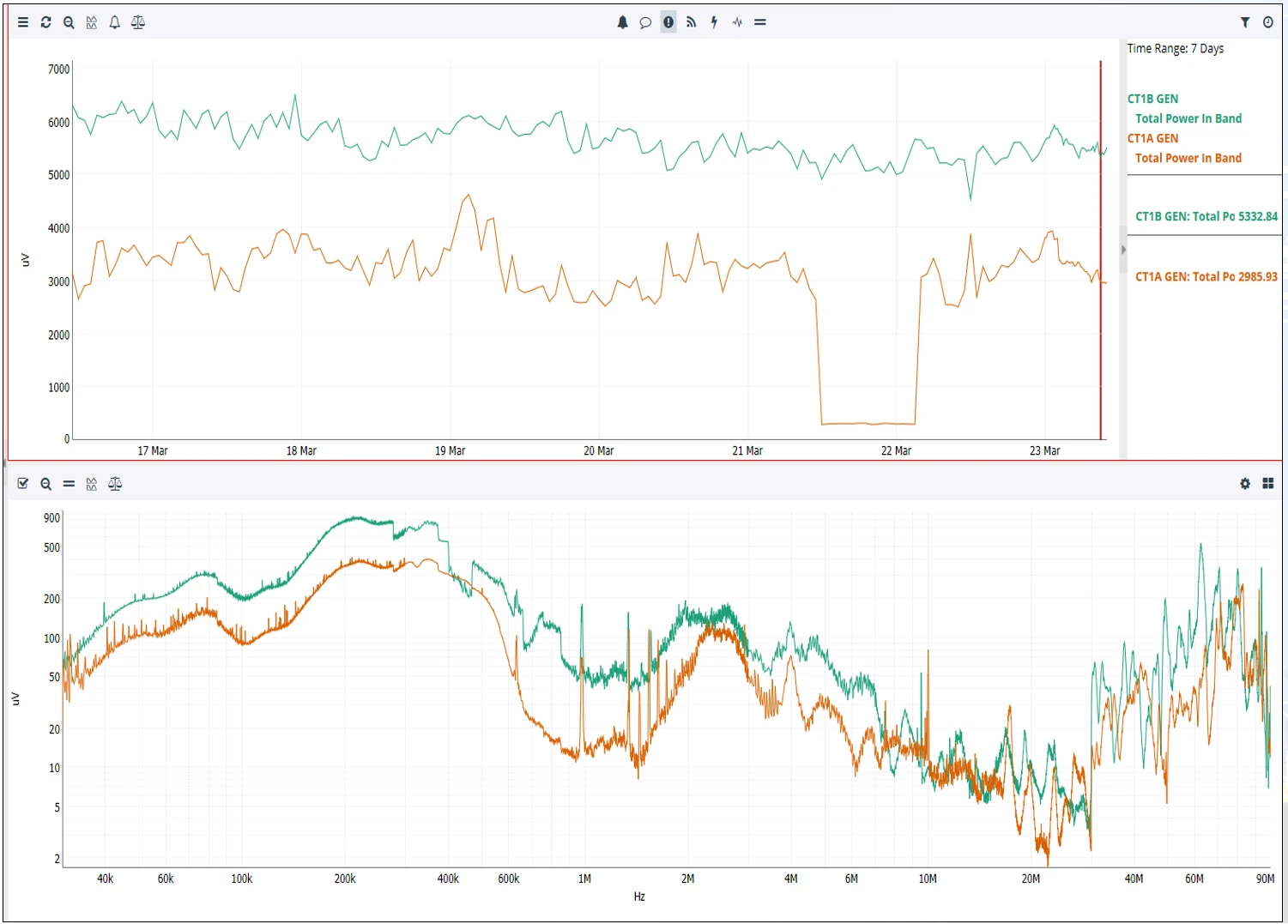
  • Transformer monitoring uses total-power band compared against generator power
  • User-defined microvolt thresholds indicate normal, developing, or critical conditions

Electromagnetic Interference (EMI) Monitoring FAQs

Is the data review a manual process or is it automated?

The data collection process and assessment of the content within the time domain signals is automated by the Cutsforth system. Condition alarms can be set based on the type of signal, e.g., arcing or partial discharge, and the energy content in microvolts. Trend features are available for future trend analysis by subject matter experts.


What are some ‘rules of thumb’ suggesting which failures may be associated with each frequency?

The important aspect is understanding where the CT is placed, i.e., the generator or a transformer, and the content of the signal, for example arcing or partial discharge.


How is partial discharge monitoring different than electromagnetic interference monitoring?

Usually, partial discharge monitoring uses capacitive couplers on bus work to detect changes in insulation status of windings. Additionally, many partial discharge systems measure the time difference between the arrival of signals to approximate the location where a partial discharge occurs. However, partial discharge monitoring ignores other types of discharges, such as arcing and coronal discharges. EMI monitoring detects partial discharge, as well as arcing, coronal and gap discharges, sparking, and other signals associated with other discharge events. These events are detected through high-frequency current transformers that convert radiated or conducted RF signals emanating from the defects to current values that can be assessed for content and severity.


What are the benefits of continual monitoring over third-party annual monitoring?

Third-party vendors visiting plants on an annual basis are expensive and only capture a miniscule snapshot of the generator’s health. Whereas continuous EMI monitoring is a one-time purchase. The system creates a power spectrum and time domain waveforms from thousands of frequencies allowing plants to measure and archive data over time to form a more comprehensive view of your generator’s health. This option allows plants and companies ownership of their data without having to pay to access it.


How do I interpret the data once I have it?

With Cutsforth’s EMI Assessment Algorithms, plants are able to automatically categorize time domain waveforms to establish which failure modes are present. Cutsforth also offers access to subject matter experts to assist in reading and analyzing data.


Do I need an outage to install the Cutsforth Electromagnetic Interference system?

No, EMI monitoring is a non-invasive installation process requiring NO outages.


What is Electromagnetic Interference Monitoring?

Electromagnetic Interference Monitoring is the process of detecting and analyzing unwanted electrical noise that can disrupt equipment performance, degrade signal quality, and impact control systems. In modern industrial environments, increasing electrification and the use of power electronics have made EMI a critical factor in maintaining reliable operations.

By continuously monitoring electromagnetic conditions, facilities can identify interference sources, understand their impact, and take corrective action before issues escalate into operational disruptions.

Key aspects of EMI Monitoring include:

  • Detection of high frequency electrical noise and transient disturbances
  • Identification of interference sources such as drives and switching devices
  • Continuous tracking of EMI trends over time
  • Assessment of grounding, shielding, and cabling effectiveness
  • Protection of instrumentation and control system integrity

Benefits of Electromagnetic Interference Monitoring

Effective EMI Monitoring improves the reliability of both equipment and data systems by ensuring that signals remain accurate and interference-free. This is especially important for facilities relying on advanced automation, control systems, and condition monitoring technologies.

By proactively managing EMI, organizations can avoid nuisance trips, false readings, and hidden electrical issues that may otherwise go undetected.

Primary benefits include:

  • Improved accuracy and reliability of sensor and instrumentation data
  • Reduction in false alarms and nuisance system trips
  • Early identification of electrical noise sources and grounding issues
  • Protection of communication networks and control systems
  • Enhanced performance of condition monitoring and diagnostic tools
  • Increased confidence in operational decision making

Why Companies Choose Cutsforth for Electromagnetic Interference Monitoring

Cutsforth approaches Electromagnetic Interference Monitoring with a deep understanding of both electrical systems and the critical assets they support. Our heritage in generator, exciter, and shaft grounding solutions provides a strong foundation for identifying and resolving EMI related challenges.

With InsightCM and our broader condition monitoring ecosystem, we enable customers to capture high quality data, detect interference patterns, and maintain system integrity across complex industrial environments.

Companies rely on Cutsforth because we provide:

  • Extensive experience in electrical system design and troubleshooting
  • Proven expertise in grounding, shielding, and interference mitigation
  • Advanced monitoring capabilities through the InsightCM platform
  • Integrated solutions that align EMI monitoring with overall machine health strategies
  • Cross-industry experience spanning power generation and process industries
  • Demonstrated improvements in uptime, data quality, and operational reliability