Third-Party Sensor Integration

Extend InsightCM™ for Your Monitoring Needs

Talk to an Expert

Our Standard Measurement Capabilities

Every plant has unique monitoring needs. InsightCM makes it possible to add specialized sensors and measurements to capture the right data for complex conditions and expand coverage as your strategy evolves. 

Cutsforth monitoring systems unify wired and wireless sensing into one powerful platform, capturing vibration, electrical, thermal, and oil analysis data with exceptional clarity. With high-resolution converters, fast sampling, and long waveform capture, our measurement hardware delivers the performance needed to uncover subtle changes before they become failures.
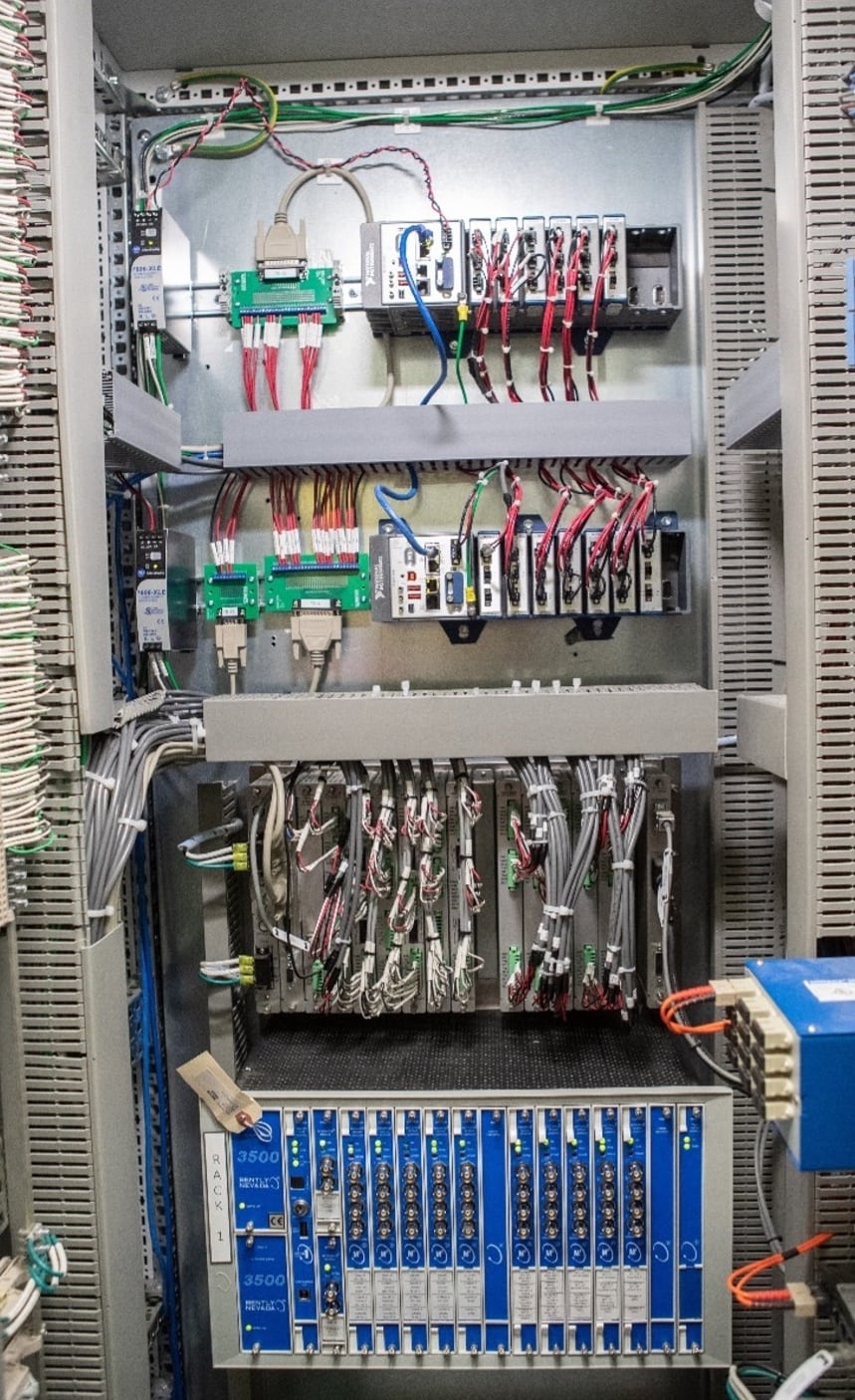
Multiphysics Measurement Options

All sensors and systems are pre-qualified for seamless integration with InsightCM, providing dependable, high-fidelity data that drives accurate diagnostics and predictive insights. The table below outlines our current sensor and connectivity options. Contact our team to discuss additional requirements or specialized integrations.

Interface TypeHardware OptionsExample Measurements/SensorsApplications
IEPE/AC Analog InputsWired or wirelessAccelerometers, Velometers, Proximity Probes, TachometersRotating machinery vibration and motion analysis
DC Analog InputsWired or wirelessRTDs, Thermocouples, 4–20 mA transmitters & systems (bushing monitors, oil sensors, etc)Process and thermal monitoring
Digital InputsWired or wirelessOn/Off state, alarms, relay triggersMachine state detection
Modbus (TCP/RTU)WiredPLC/RTU data, smart transmittersSystem integration
Power & Energy InputsWiredCTs, PTs, RFCT and antenna inputsElectrical and power diagnostics
Network & Data InterfacesWired or wirelessOPC UA, PI System, eDNA, Infrared CamerasEnterprise and contextual data integration

Oil Sensors

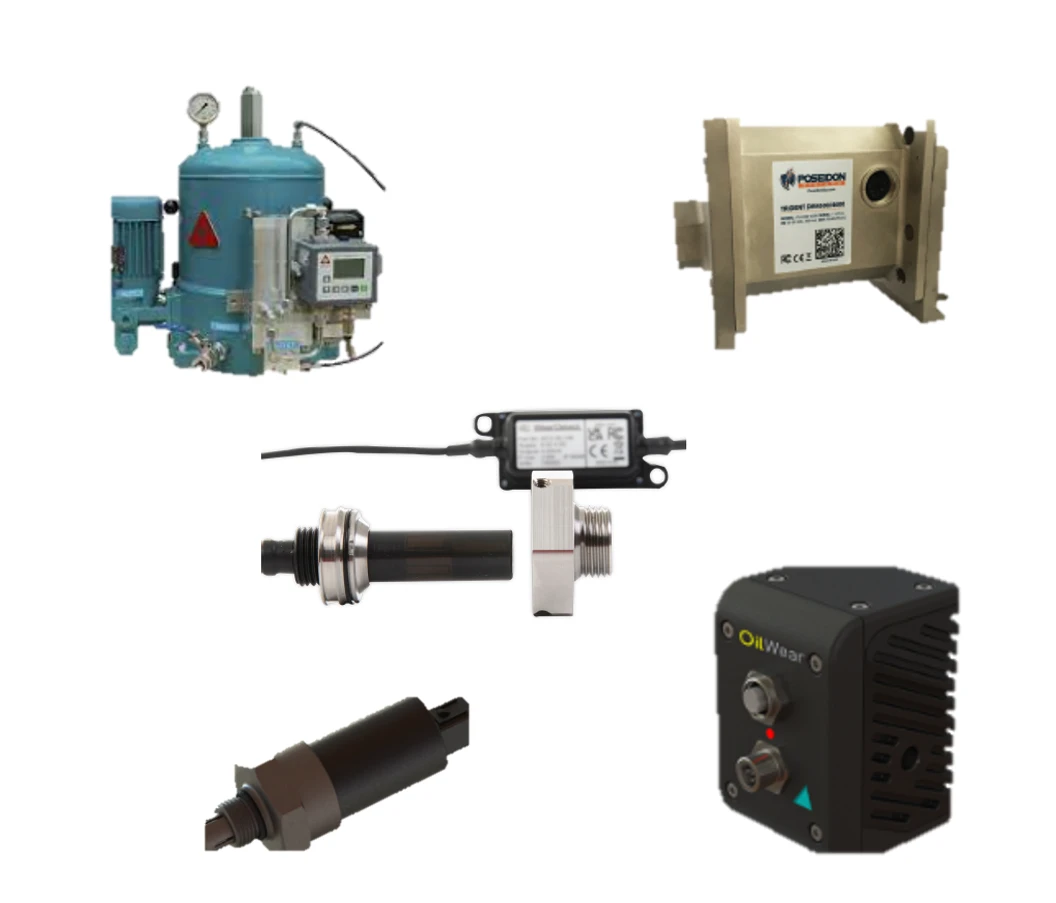
Cutsforth has integrated a wide range of oil sensors into the InsightCM platform, reflecting the industry’s shift from periodic oil sampling to more continuous condition monitoring. By supporting standard 4–20 mA analog, Modbus RTU, and Modbus TCP interfaces, InsightCM can connect to virtually any oil sensor used in the field today.

This flexibility allows customers to monitor what matters most to them—whether that’s wear and debris to detect mechanical degradation, or oil quality to understand lubricant health and contamination. By combining these measurements, users can expand coverage across more assets and failure modes, enabling earlier detection and more comprehensive reliability insights.

SensorInterface
Wear & Debris Sensors
Poseidon DM4500 / DM4600 – Wear Debris MonitorModbus RTU
Gill Sensors 4212 – Wear Debris Sensor (Coarse, Fine, Water, Temp)4–20 mA or 0–10 V
Atten2 OilWear – Wear Debris Sensor (Image Processing)Modbus RTU, Modbus TCP
CC Jensen OCM15 – Oil Cleanliness MonitorModbus RTU
Oil Quality Sensors
Poseidon QM3100 / QW3150 – Oil Quality MonitorModbus RTU
Atten2 OilHealth – Oil Quality SensorModbus RTU, Modbus TCP
Tan Delta OQSx-EX-II – Oil Quality Sensor4–20 mA or Modbus RTU

Available Integration Interfaces

If you do not see a key measurement on our list of supported hardware, we can accommodate many different types of sensors and transducers through the standard interfaces listed below:

  • 4–20 mA Analog Inputs: Scalable channels for process variables and environmental sensors 
  • Modbus TCP / RTU: Direct polling of PLCs, transmitters, and smart sensors 
  • OPC-UA / OPC-DA: Integration with plant historians and SCADA systems 
  • Ethernet & TCP/IP: For high-speed digital sensors and data gateways 
  • Digital Triggers & Relays: Discrete inputs for state or alarm signals

What is Third-Party Sensor Integration?

Third-Party Sensor Integration is the process of connecting external sensors and monitoring devices into a centralized condition monitoring or industrial data platform. This allows facilities to collect, visualize, and analyze data from multiple systems within a single monitoring environment.

Industrial facilities often use sensors from multiple manufacturers to monitor vibration, temperature, pressure, speed, electrical performance, and other machine-health indicators. Third-party sensor integration ensures these disparate technologies can work together cohesively, improving operational visibility and enabling more comprehensive predictive maintenance strategies.

Cutsforth Third-Party Sensor Integration solutions simplify the process of incorporating external sensors into condition monitoring architectures, helping facilities maximize the value of their existing instrumentation investments while expanding monitoring capabilities.

Key Capabilities

  • Integration of sensors from multiple manufacturers
  • Centralized monitoring and diagnostics
  • Open architecture compatibility
  • Flexible data acquisition and analysis
  • Scalable monitoring infrastructure
  • Support for predictive maintenance strategies

What are the Benefits of Cutsforth Third-Party Sensor Integration?

Cutsforth Third-Party Sensor Integration solutions help facilities unify monitoring data across assets, systems, and sensor technologies for improved operational awareness and maintenance decision-making.

Benefits

  • Centralized access to machine-health and process data
  • Improved visibility across critical assets and systems
  • Compatibility with a wide range of sensor manufacturers and protocols
  • Reduced complexity in condition monitoring deployments
  • Enhanced predictive maintenance capabilities
  • Improved scalability for future monitoring expansion
  • Better utilization of existing sensor infrastructure
  • Streamlined diagnostics and reporting workflows
  • Improved data accessibility across operations teams
  • Greater flexibility for facility modernization initiatives

Cutsforth’s open monitoring approach enables industrial facilities to build flexible, scalable monitoring ecosystems that support long-term operational goals without requiring complete infrastructure replacement.

FAQ

What types of sensors can Cutsforth integrate?

Cutsforth can integrate a wide range of industrial sensors, including vibration sensors, temperature sensors, electrical monitoring devices, speed sensors, and process instrumentation from various manufacturers.


Why is third-party sensor integration important?

Many facilities use equipment and sensors from multiple vendors. Integration allows organizations to consolidate data into a single platform for improved monitoring and diagnostics.


Can Cutsforth integrate with existing condition monitoring systems?

Yes. Cutsforth solutions are designed to support interoperability with existing plant systems and condition monitoring platforms.


Does third-party sensor integration support predictive maintenance?

Yes. Consolidated sensor data improves trend analysis, diagnostics, and predictive maintenance effectiveness by providing a more complete view of asset health.


Is third-party sensor integration scalable?

Absolutely. Cutsforth solutions are designed to support future expansion as monitoring requirements evolve.


Why Industrial Facilities Choose Cutsforth for Third-Party Sensor Integration

Industrial facilities choose Cutsforth for Third-Party Sensor Integration because of our expertise in condition monitoring, industrial data acquisition, and machine-health diagnostics. Our solutions are designed to help facilities create unified monitoring environments that improve operational visibility and support more effective maintenance strategies.

Why Cutsforth is trusted for Third-Party Sensor Integration

  • Extensive expertise in industrial condition monitoring
  • Open architecture monitoring solutions
  • Proven integration experience across industries
  • Flexible and scalable monitoring platforms
  • Deep knowledge of predictive maintenance systems
  • Ability to integrate legacy and modern technologies
  • Strong engineering and implementation support
  • Focus on operational reliability and uptime improvement

Cutsforth understands that many industrial operations rely on a combination of legacy systems and modern monitoring technologies. Our integration capabilities help bridge these environments while maximizing existing investments.